---
Power, survival, fearlessness, focus, adaptability, protection
Origin: Polynesian (tohu protector), Hawaiian (ʻaumākua guardian), Maori, Western sailor tradition, modern surf culture
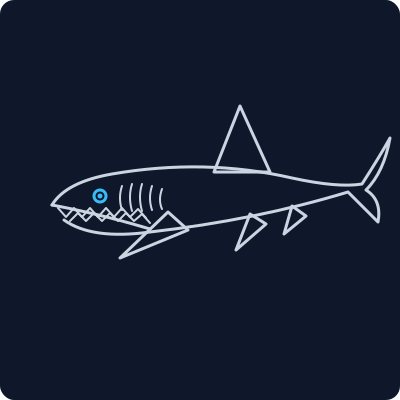
Shark tattoos channel raw focus — power, survival, and unshakeable drive. As apex predators, sharks represent fearlessness and the confidence to move through life without hesitation. A shark can mark a survivor, an athlete, or someone who refuses to quit.
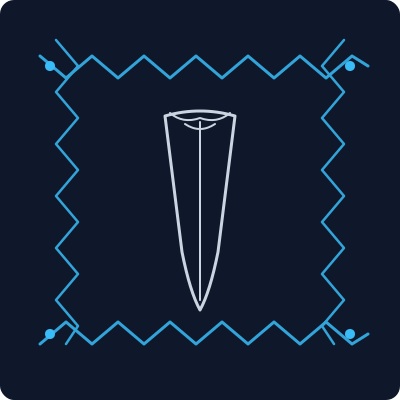
In Polynesian tattooing the shark (tohu) is a powerful protector — a symbol of strength, guidance, and safe passage over water. Hawaiian culture honors the shark as an ʻaumākua, a family guardian spirit. The niho (shark-tooth) pattern is worn as armor against harm across Polynesian and surf traditions. In modern surf and beach culture the shark reads as fearless drive and respect for the ocean power.
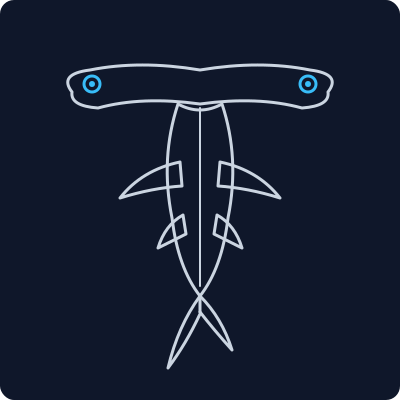
The species you choose shifts the meaning. A great white reads as pure power, dominance, and fearlessness — the apex of the food chain with no natural predator. A hammerhead reads as vision, perspective, and protective awareness, thanks to its wide-set eyes and near-360-degree field of view. A whale shark is the gentle giant: peace, calm, and quiet strength. A mako brings speed, agility, and swift adaptation; a tiger shark brings survival instinct and raw adaptability. Choose the species whose story matches your intent — or wear a shark-tooth (niho mano) pattern for pure protective symbolism without a full predator.
Great White Shark Tattoo Meaning → ·Hammerhead Shark Tattoo Meaning → ·Shark Tooth (Niho Mano) Tattoo Meaning →
For a growing number of wearers, a shark tattoo is also an ecological statement. Sharks have patrolled the oceans for more than 400 million years — predating the dinosaurs — yet roughly a third of shark and ray species are now assessed as threatened, largely from overfishing and the fin trade. Choosing the ocean's apex predator as permanent body art can be a quiet act of respect: a reminder that this animal is in fact a keystone species holding entire ecosystems in balance. If this angle speaks to you, tell your artist — many will lean into realistic, reverent renderings rather than the snarling-monster cliché.
No animal carries heavier pop-culture baggage than the shark. Steven Spielberg's Jaws (1975) recast the great white as the ultimate symbol of primal fear — and that is exactly why many people choose it. Wearing the creature the world is afraid of flips the narrative: the shark tattoo becomes a badge of edge, resilience, and control rather than terror. It is the same instinct behind a skull tattoo — turning a symbol of fear into a personal statement of fearlessness.
In Japanese tattoo culture the shark is not a monster to be feared but a noble creature with a place in the spiritual order of the sea. It is often read as a messenger of the water deities — a being that can bring good luck in fishing and trade, and that protects the wearer rather than threatening them. Irezumi frequently pairs the shark with waves, koi, or dragons to build a larger master of the water composition. This protective, auspicious reading contrasts with the Western Jaws fear narrative, where a great white signals reclaimed terror; in Japanese work the shark more often signals respect for the ocean's power and a quiet confidence in moving through it.
DESIGN GALLERY
Browse design ideas and find artists who specialize in this style.
Line-art design
Line-art design
Line-art design
Line-art design
1,000+
monthly searches
87%
want to book after reading
0
artists showcasing here
Are you a tattoo artist?
1000+ people search for shark tattoos every month. Your work could be the first they see. Upload your portfolio — it is free and takes 2 minutes.
First 10 artists to upload get 3 months Pro free.
hammerhead shark
shark tooth pattern (niho)
great white shark
shark silhouette
shark and wave
Explore Shark tattoo variations and related designs.
Great White Shark Tattoo
Raw power, dominance, fearlessness, apex authority, reclaimed fear
Hammerhead Shark Tattoo
Vision, perspective, protective awareness, individuality, balance
Shark Tooth Tattoo (Niho Mano)
Protection, courage, guidance, warrior spirit, ancestral connection
Whale
Wisdom, calm, family, emotional depth
Octopus
Intelligence, adaptability, mystery, multiplicity
Dragon
Power, wisdom, protection, strength, good fortune
Compass
Guidance, direction, travel, purpose, exploration
Find, price, and book the design you're exploring.
Shark tattoos symbolize power, survival, fearlessness, focus, adaptability, protection. Shark tattoos channel raw focus — power, survival, and unshakeable drive. As apex predators, sharks represent fearlessness and the confidence to move through life without hesitation. A shark can mark a survivor, an athlete, or someone who refuses to quit.
Shark tattoo imagery traces back to Polynesian (tohu protector), Hawaiian (ʻaumākua guardian), Maori, Western sailor tradition, modern surf culture. Shark tattoos channel raw focus — power, survival, and unshakeable drive. As apex predators, sharks represent fearlessness and the confidence to move through life without hesitation. A shark can mark a survivor, an athlete, or someone who refuses to quit.
In Polynesian tattooing the shark (tohu) is a powerful protector — a symbol of strength, guidance, and safe passage over water. Hawaiian culture honors the shark as an ʻaumākua, a family guardian spirit. The niho (shark-tooth) pattern is worn as armor against harm across Polynesian and surf traditions. In modern surf and beach culture the shark reads as fearless drive and respect for the ocean power.
The species shifts the meaning: a great white reads as pure power and dominance; a hammerhead as vision and protective awareness; a whale shark as peace and quiet strength; a mako as speed and agility. Pick the story that matches your intent.
Yes. An open-jaw, head-on shark reads as confrontation and reclaimed fear; a cruising side-profile reads as calm, patrolling authority. Swimming upward suggests ambition; diving downward evokes depth and the unknown.
In Japanese tattoo culture the shark is a noble water-deity messenger bringing good luck in fishing and trade and protecting the wearer — an auspicious, protective reading that contrasts with the Western Jaws fear narrative.
For many wearers, yes. Sharks have patrolled the oceans for over 400 million years, yet roughly a third of shark and ray species are now threatened. The tattoo can be a quiet act of respect for a keystone ocean species.
A shark is not gendered, but women most often choose it as fierce independence and self-reliance — owning power on their own terms rather than dominance over others. The posture and style carry the intent more than the wearer’s gender.
For men the shark most often reads as raw courage, drive, and quiet dominance — the apex predator who moves through life without hesitation. Pair it with waves or a compass to stress direction and resolve.
Matching or group shark tattoos among friends symbolize loyalty, shared resilience, and protection of the crew. As a guardian symbol across Polynesian and surf culture, the shark marks a bond built to survive rough water together.
Sharks must keep swimming to breathe, so a shark in motion reads as relentless forward drive — keep moving, never quit, refuse to stall. It is a survivor’s tattoo for anyone pushing through a hard chapter.
A blackwork or solid-black shark strips the design to pure silhouette: bold, minimal, and a little ominous. Black reads as raw power and foreboding rather than the lighter, decorative tones of a color piece.
Many wearers choose the shark as a survivor symbol — resilience after anxiety, fear, or trauma, and the courage to keep moving. As a protector across ocean cultures, it marks having come through and refusing to be prey to the past.
Three sharks repeat the symbol for emphasis and unity — a trio of friends or family, or past-present-future strength. Repetition turns a single shark’s drive into a shared, reinforced promise.
Get matched with the right meaning and style for your next tattoo.
Start Your Studio Free →Tattoo meanings are shaped by culture, history, and personal story — they are not universal or fixed. Sacred designs (e.g. Polynesian tatau, Indigenous, or religious iconography) carry deep meaning for the communities who created them; we share this for education and ask that you research and respect their origins before wearing them. This guide is not a substitute for cultural consultation.
See also our Color & Style Meaning Guide for how color and technique change a design's meaning.
EEAT: Written by Sarah Chen (Founder & CEO at InkFlow | 12 Years Tattoo Studio Operations). Cultural and historical information is sourced from academic references and is provided for educational purposes. Meanings vary across traditions and interpretations.